Clara DiVincenzo ’26
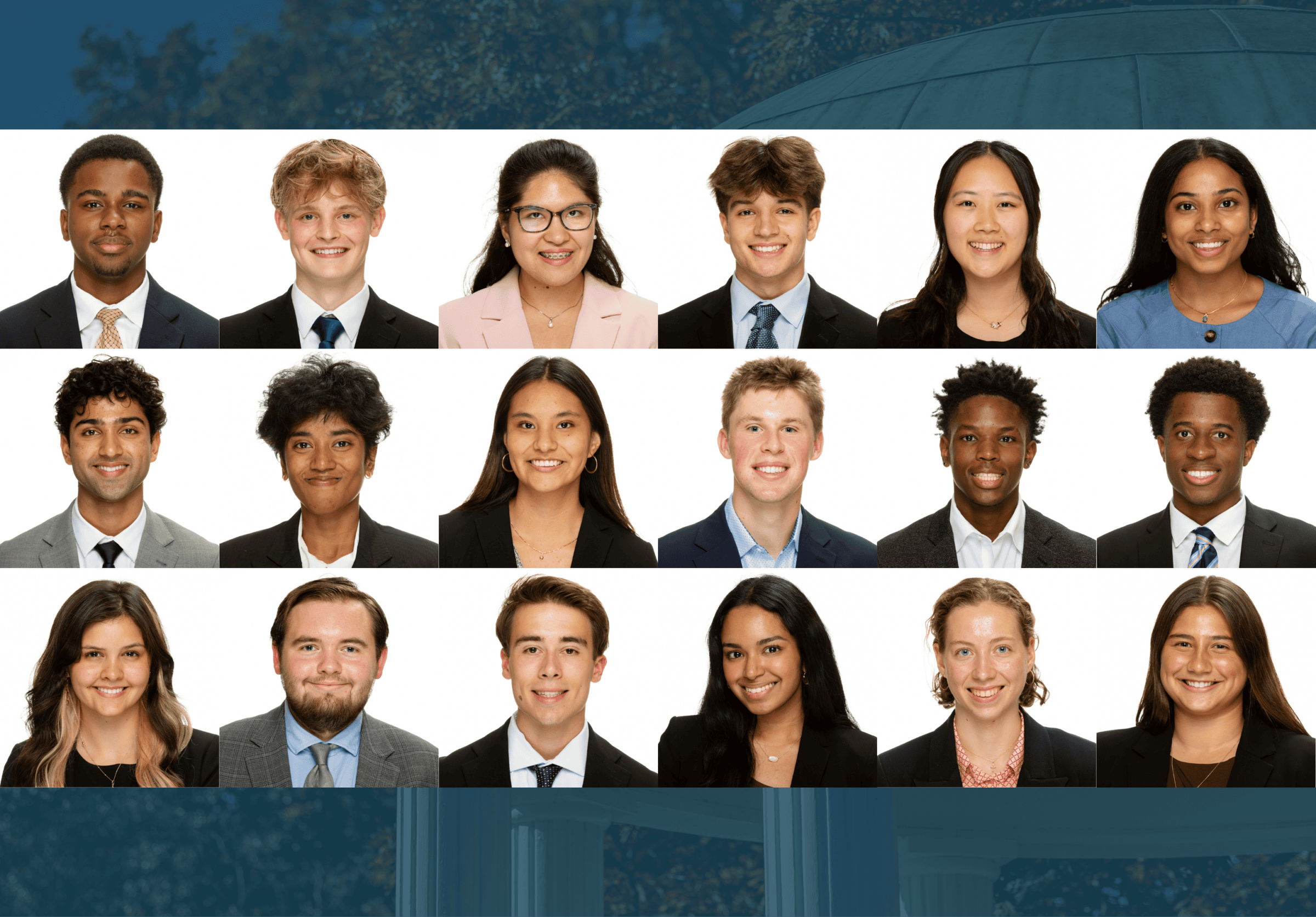
It’s been nearly three years since the Morehead-Cain Foundation launched the Sophomore Selection process. The program was established to identify second-year students at Carolina who demonstrate exceptional scholarship, leadership, and character.
This year marks a historic milestone: the first class of Sophomore Selection scholars will graduate this May from the University of North Carolina at Chapel Hill. These fifteen scholars joined the Morehead-Cain Program in fall 2023.
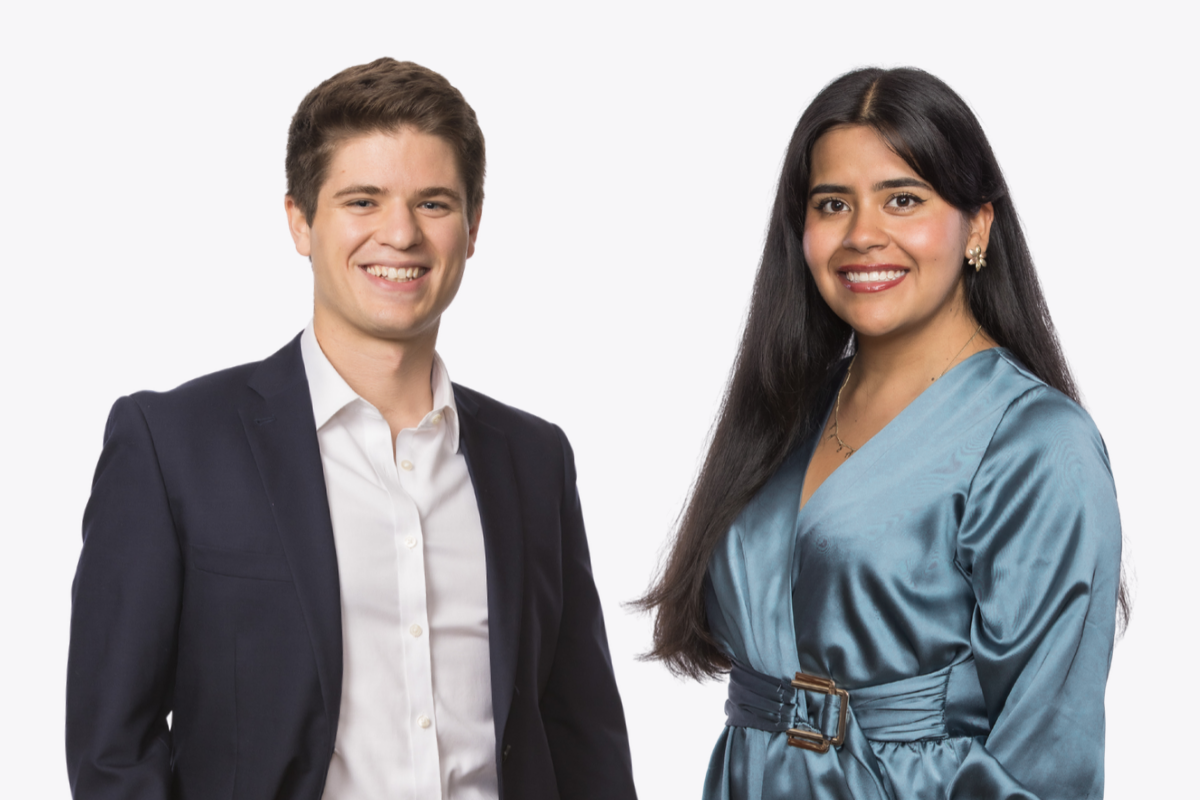
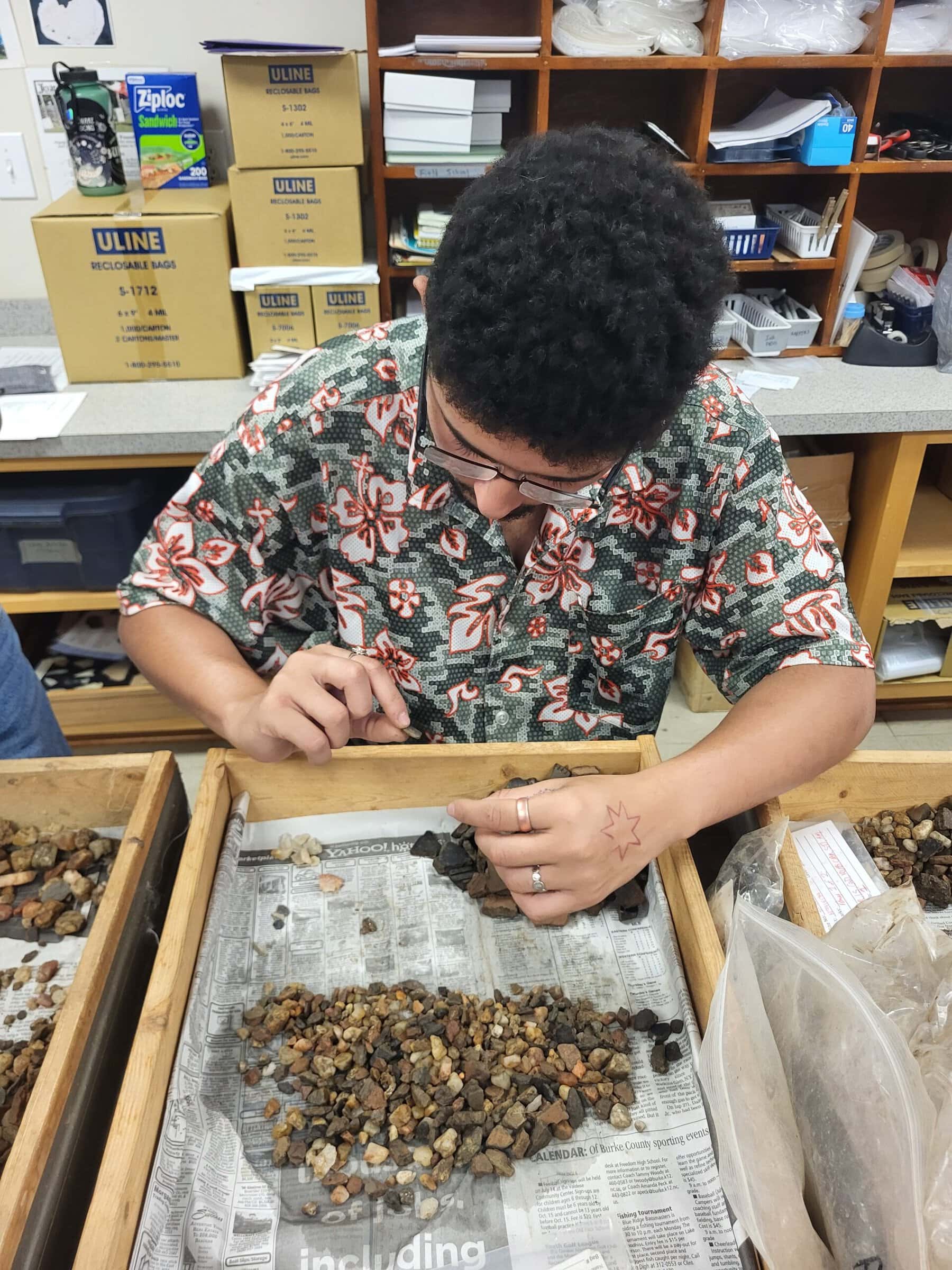
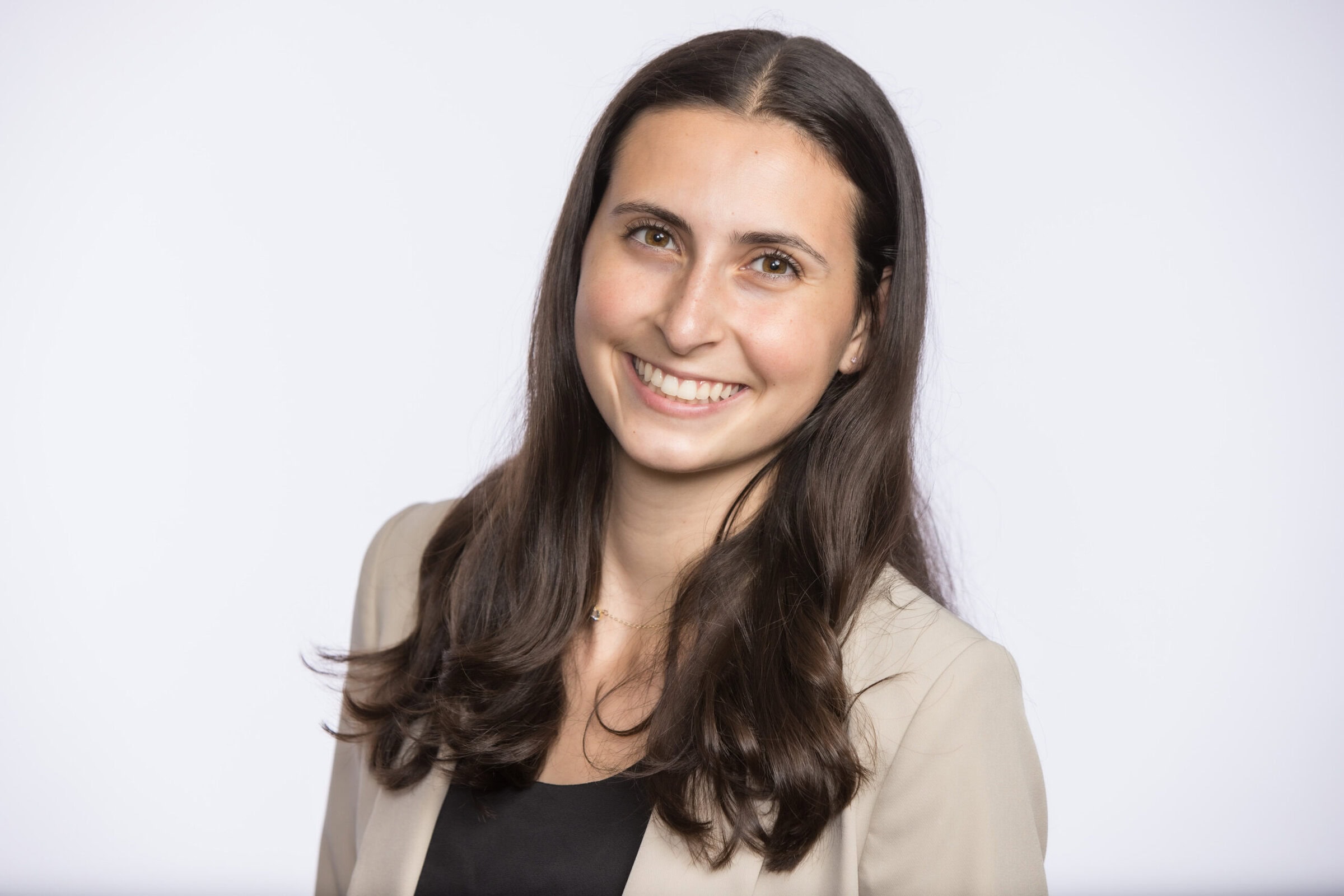
In this episode, host Oni Terrado ’27 sits down with Clara DiVincenzo ’26 to reflect on her journey as a Morehead-Cain Scholar, from coral reef research and global experiences abroad to professional work with the National Oceanic and Atmospheric Administration. Clara shares how she embraced the four pillars of the Morehead-Cain Program, navigated challenges, and remained grounded in authenticity throughout her college experience. The scholar is a biology and statistics double major and marine sciences minor.
Sophomores are nominated through Morehead-Cain’s network of campus partners, including professors, department heads, teaching assistants, and staff from scholarship, service, extracurricular, and cultural programs. Morehead-Cain invites nominees to apply early in the fall semester. Learn more about the Sophomore Selection Process.
How to listen
On your mobile device, you can listen and subscribe to Catalyze on Apple Podcasts or Spotify. For any other podcast app, you can find the show using our RSS feed. You can let us know what you thought of the episode by finding us on social media @moreheadcain or you can email us at communications@moreheadcain.org.
Episode transcription
(Oni)
Welcome to Catalyze. I’m your host, Oni Terrado from the class of 2027. It’s been nearly three years since Morehead-Cain launched the Sophomore Selection process in 2023 to identify second-year students at Carolina who demonstrate exceptional scholarship, leadership, and character. This year marks a historic milestone: the first class of fifteen Sophomore Selection scholars will graduate from the University of North Carolina at Chapel Hill. I’m joined today by Clara DiVincenzo from the class of 2026 to reflect on what it meant to join the Morehead-Cain Program as a sophomore, and everything that’s happened since.
Clara, thank you for being here.
(Clara)
Thank you for having me.
(Oni)
You are truly a multifaceted Morehead-Cain Scholar. You spend your time in the lab advancing coral reef research, earning honors like the Barry M. Goldwater Scholarship, Chancellor’s Awards, Hollings Scholarship, and more to support your studies. And somehow, alongside all of that, you are jumping rope at nationals, during basketball and football halftime shows, pickling at the fair, and testing out new recipes with friends. So, let’s start at the beginning: Where are you from? What are you studying? And how did this multifaceted version of you come to be? Did this start before UNC, or is it something that really grew once you got here?
(Clara)
Thank you for the little intro. I am from Raleigh, North Carolina. That’s where I grew up almost my entire life. Right here at UNC, I’m studying biology and statistics and minoring in marine sciences. And I would say this multifaceted version of me is kind of a lifelong pursuit. I always wanted to be a marine biologist. I feel like a lot of young people want to be a marine biologist, but for me it was just something I was interested in from a very, very young age. At, like, seven, I had this book I was obsessed with, and it was about giant squids. And it was the only book I ever read, and I read it every single day. Being from Raleigh, there weren’t a ton of opportunities in marine biology, so it was something I kind of had to wait on until I came to college. As far as the other things, I mean, I always just liked trying things that were different. I liked doing things that interested me for one reason or another. That’s why I used to make pickles and enter them in the state fair, because it was something funny that other people weren’t doing. And I just like to take on a lot of new hobbies over time. So, I would say that’s how I grew up and that’s how I am now.
(Oni)
I love that. And something important to include in your story is your path to the Morehead-Cain Scholarship. When we spoke earlier, you mentioned that you knew about Morehead-Cain before coming to UNC, but you didn’t apply at the time. Can you share why you didn’t pursue the scholarship at that point and what made the sophomore experience different for you?
(Clara)
I definitely knew about the Morehead-Cain Scholarship. I went to a big public school in Raleigh, so we sent a lot of students to UNC. We sent several to the Morehead-Cain Program. And so, my counselors and everyone at the school knew about this scholarship as a really good opportunity. At the time, knowing about the scholarship, I also knew that I probably wasn’t qualified. I wasn’t some exceptional high schooler. I was just a normal student. I barely got into UNC, so I was very fortunate to come here, but I definitely wasn’t a super strong candidate for the Morehead-Cain. I see the, like, freshman class come in every single year, and they have so many awesome achievements and have done so many great things, and I just wasn’t that student. What made the sophomore experience different for me is that I think I was a student who thrived in a college setting, in a place where I had more opportunities, more independence, and didn’t have to do all the things that I wasn’t excited about. I could just focus on what excited me. And so, the Sophomore Selection process was a good opportunity to join the Program after I had had the chance to pursue the things I was excited about in a college setting.
(Oni)
You carry such a humble and grounded perspective going through the sophomore selection process. Was there anything you didn’t expect? Something that surprised you?
(Clara)
I was definitely very surprised upon coming to the information session and learning a bit more about the scholarship, about the opportunities outside the semester stipend. I really only knew about the Morehead-Cain as a full-ride scholarship. So, hearing about the summer experiences and the Lovelace Fund and the other opportunities that Morehead-Cain provides, just to become a part of this community and to learn more things over time, those were very exciting to me and definitely surprised me.
(Oni)
One of the questions in the Sophomore Selection application asks you to identify three goals. Do you remember what they were? And now that your time in the Program comes to a close, do you feel like you’ve achieved them?
(Clara)
Yeah, I do remember what they were. My first goal was about the jump rope team. So, I had been a part of the jump rope team since my first week on campus. I just joined having never jump roped before, because who has? And my goal was that I wanted us to take home the national championship, because the year prior we had been runner-up to our rival, Virginia Tech. And that same year, sophomore year, after I had received the Morehead-Cain Scholarship, we drove thirteen hours to Indiana, and we actually won the national championship. So that was very exciting. This year, in the spring, we’ll go back and try to take home the title again. It’s in Virginia. So, I’m very excited about that.
My second goal was about my roommates. I had just moved into an apartment off campus with two new roommates, and we had this goal of cooking for each other every single week in something we like to call our family dinners. And so, my goal was that I wanted to try a lot of new recipes and continue to keep up that tradition with them. And we still do that every single week, three times a week, to this day.
(Clara)
So I think that was a goal that I was able to achieve. And my third goal was a little bit more broad. I had been doing research at the time on corals in Morehead City, North Carolina, which a lot of people don’t know has corals. And my goal was that I wanted to use that research to be a little bit closer to that coastal community. So, I didn’t want to just go in, do fieldwork, go back to Chapel Hill, analyze all the data, and for that to be the end. I wanted to immerse myself a little bit more in the community. And I think that’s a goal that I am continuing to work on to this day. I think it’s something I’ll keep in mind for other research projects in Morehead City and in other places. We were able to connect a little bit with the community while working on that project, obviously presenting at conferences and working with people. But as far as the bigger, larger goals that come from working your research into policy or other things, I think that is something I’ll keep in mind now and into the future.
(Oni)
Thank you. I love your goals. From the outside looking in, I think a lot of people might expect you to write something like “cure cancer” or “change the world.” Why did you choose those particular goals, and what felt important to put on paper for the reviewers?
(Clara)
Yeah, I think curing cancer and changing the world, those are noble goals, but they weren’t things that I was thinking about as a sophomore. I was just thinking about the things I did every single day. So I went to the lab, I did my research, I went home, I ate dinner, I went to jump rope practice. And so, I would say those goals represent who I was at the time, what I was doing with my time. And so that’s why I chose them. As far as what felt important to put on paper for the reviewers, I think I was excited about showing my whole self, every single part of myself. I wanted them to know that I had academic ambitions and that I also had things outside of the academic world that mattered to me.
(Oni)
I think listeners are going to feel reassured hearing this, that you can be truly yourself in the application process. After you received the scholarship, what were you most excited about?
(Clara)
Yeah, after I received the scholarship, and through the process of learning about it, I was definitely most excited about the Lovelace Fund for Discovery. To me, that was a very unique part of the Morehead-Cain Scholarship that I didn’t see anywhere else. In the natural sciences, most of your work is driven by grant funding. So, you write these grants, you get them approved, and then you use that money to fund your projects. And so, I was familiar with this process of applying for and working on funded projects. I had never seen a grant that was designed just to fund things that were interesting to you, right? The scientific projects always had to have a goal that was bigger than yourself. And for the Lovelace Fund for Discovery, the goal could simply be, “I’m excited about this. I want to learn more about it.” I don’t think I’ve met a student outside of those in the Morehead-Cain Program who has the opportunity to just pursue experiences without having to be concerned about the monetary aspect or other things that might get in the way.
(Clara)
And for me, over my two years in the Program, I’ve had the opportunity to pursue a number of these grants, right? They funded me to go to conferences, to go diving at new field sites, to do scientific research abroad, and a bunch of other projects, simply to learn more about the things that excited me. And so that was something I was really excited about coming into the Program and that I’ve been really happy to take advantage of.
(Oni)
What was your favorite Lovelace Fund grant?
(Clara)
I would say one that really stood out for me was the opportunity to go to London with my fellow scholar, Neha. And I got to speak with a bunch of coral researchers who did research in a field that was a little bit different from mine. So, they worked in coral selection and collective breeding, and learning from them was very exciting to me because there are no people who do that type of work in the United States. So, it was a really unique experience and allowed me to connect with people I probably never would have met otherwise. And we also had a great time going to London. I had never been to the UK, so that was very, very exciting to me.
(Oni)
You’ve really embodied the four pillars: leadership, character, scholarship, and physical vigor. You’ve already shared a lot about scholarship, so let’s turn to the others. What was one of the biggest challenges you faced during your time as a scholar, and how did you get through it?
(Clara)
I would say the biggest challenges I tend to face are in research, since it involves so much failure. In particular, I was working to design this course with a PhD student and faculty at UNC, and this was a research-based course. And I found out just two weeks before the semester that I would be teaching the course. So, it was a very quick turnaround. Throughout the semester, all the students were doing their own independent research projects. I led them through the process of designing, conducting, and analyzing data from their own experiments involving symbiosis between cnidarians and single-celled algae, that’s similar to coral-algal symbiosis.
Working on this class was really difficult because you’re trying to do research on a set timescale, and that is usually not something that can happen in fifteen weeks of a semester. Experiments weren’t working. We hadn’t designed the methods in the ideal way. These were all new experiences. And I really appreciate the other people working on the course with me, and the students, for having a lot of patience with the experiments. Together, we worked through all these issues. We brainstormed, we did our research, we dug into the literature just to make sure we could actually finish these projects, and by the end of the semester, all the students came away with finished research projects. We had done it, we had gotten to the end, but throughout the semester, we definitely faced a ton of challenges with regard to experiments, timelines, and all of that, which is par for the course in research, I’ve found.
(Oni)
I think a lot of students will resonate with that. When you were abroad, was there a moment when things didn’t go as planned? What did that experience teach you?
(Clara)
So I went abroad during the summer after my sophomore year, which means I had just gotten the Morehead-Cain Scholarship and was already planning my Global Perspective summer. While abroad, I went to Australia to study coral reefs. As someone in a pretty niche field, it was a little bit more difficult to find connections to work with. So, I met with advising, and they were really helpful in helping me plan my summer and the things I wanted to do. I also checked the Morehead-Cain Network looking for connections, and they just didn’t exist much in coral reef biology because it’s such a small field.
So, I had to rely on both the people I knew in the United States from doing coral research at UNC and elsewhere, and also just straight-up cold-emailing people to make that summer happen. I think that experience, planning everything on such a quick timeline, taught me that I don’t have to be so nervous about going out there and asking for the things that I want. I emailed a lot of people, most of whom I had never spoken to before and had no connection to.
And, you know, a lot of the time they said no, but some of the time they really went out on a limb for me and stuck up for me and helped me make that summer happen. And for that, you know, I’ll always be grateful.
(Oni)
Thank you. And I’ve said it before and I’ll say it again: you are truly inspiring. You carry so much wisdom from this four-year journey. And with graduation just three months away, how does it feel to be in your final semester? And when you picture graduation day, what emotions come up?
(Clara)
I feel very excited to be in my final semester. I have had a fantastic experience at UNC. I feel very lucky to have attended this school and for all the opportunities it’s offered me. I think, with that, I have probably done everything I could have wanted to do in my undergraduate experience. And so, for the past four years, I’ve immersed myself in the scholarship side, in the fun side, in the community side, and UNC has given so much of that to me, and so I’m so grateful to be here.
As I look toward graduation, I think that makes me excited to try something new. I have really, really enjoyed being a student here, and it’s given me so much, but I think now it’s time to turn a new page and really think: What can I do outside of North Carolina? Or what can I do outside of the fields I’ve been in for the past four years? Obviously, there are a lot of things I’ll miss in Chapel Hill, most importantly, the community. It’s been great to be close to my family and close to some of my best friends for the past four years, and so I’ll miss all of them very, very much. But I think, on a personal level and on a career level, I’m really excited for the next step.
(Oni)
Not only are you graduating from Carolina, but you’re also a part of the very first class of Sophomore Selection scholars to graduate from the Morehead-Cain Program. What does that historical significance mean to you?
(Clara)
It’s definitely meant a lot to be a part of the first class of Sophomore Selection scholars. I think I and the fourteen others in our little group have been bonded through this experience of coming into the Program two years after the others in the class of 2026. We have tried to figure out what it means to be a Morehead-Cain Scholar, while also having a lot of connections outside of the Program because that was our first year and a half. And that historical significance definitely means something to me.
I’m definitely a champion of the Sophomore Selection program. It was explained to me often as a program that “catches” scholars who were missed the first time around. I don’t really feel like I’m a scholar they missed the first time around. I think I was just someone who took a little bit more time to get into the things I was excited about, and for me, that happened at UNC rather than in high school. I definitely see the program as an exciting way of adding a diversity of perspectives into the Morehead-Cain Program. I think I and the other fourteen of us in our class of 2026 Sophomore Selection class are dedicated to the Program, and we show up and try our best. And I am really grateful that they were here with me to do it all together in these past two years.
(Oni)
That’s awesome. And being part of history is extraordinary. Hearing your story, your accomplishments, your curiosity, and your authenticity has been such a gift. So, let’s close this chapter and look ahead. What’s next for you after graduation, and what excites you most about this next chapter?
(Clara)
After graduation, I’m excited to go into research on the more statistical side of the environmental and ecological sciences. For me, that means: How can we use the data we’ve generated from these experiments in the best way possible, either through building tools that researchers can use or through actually doing the analysis of these huge data sets that we have? For me, that’s really exciting because it works on a little bit bigger of a scale than what I’ve been able to do at UNC, since the world of coral biology is very specific. And so, what excites me most about this chapter is the opportunity to do anything I want, to have more independence and more freedom, go anywhere I want in the world, and really immerse myself in projects that I see as both important and intellectually stimulating as far as research goes.
(Oni)
Awesome. As you move toward graduation, what advice would you give an incoming Morehead-Cain Scholar, and what does success look like to you now?
(Clara)
For an incoming Morehead-Cain Scholar, I probably have two pieces of advice I would give them. Number one is to be a humble learner. So, when you’re entering new spaces, prioritize learning over anything else. I don’t think it’s as important to show people that you’re smart or capable as it is to ask questions and be excited about what they’re doing, and to be a good learner. I think that’s something people above me who have advised me have said they look for in students entering a new space.
The second piece of advice I would give is that you can’t do everything. There are opportunities you’ll have to turn down and opportunities you’ll get to pursue. And when you make decisions about what to pursue and what to turn down, I think you have to be really firm in your decision. When you choose to do something, do it with your whole heart, and when you choose not to do something, just leave it there. That is something that definitely took me a little bit of time to get good at. It’s hard when you have FOMO about opportunities you’re not pursuing, but for me, I think all the success I’ve been able to have as an undergraduate has come from really focusing on particular opportunities and fields that I wanted to pursue at that time.
(Clara)
Now I would say I prioritize success a little bit less than I did coming in. To me, success has gotten simpler over the years. I’m more focused on the way that I spend my day. Did I spend my day in a way that advances where I want to be in the next couple of years that advances what I’m prioritizing right now? For me, that is my definition of success. It’s a lot simpler over time.
(Oni)
I love that. And to close us out, if you had to describe your college journey in three words, what would they be, and why?
(Clara)
The first word I would use for my college journey would be focus. I came into UNC wanting to pursue this field of marine biology, coral biology, something I had never been able to try before, really. And that focus on prioritizing opportunities that led me towards others in that field was fundamental to the things I was able to do and the exciting things I got to be a part of in my time here. All of my summers, all of my Lovelace Fund opportunities, I was focused on this major goal, and I really, really enjoyed getting to do that for four years.
The second word I would use is community. Everyone in college would tell you that the best part by far is the people you get to meet and the things you get to do with them. For me, from the jump rope team to my roommates to all my friends and family, that has been a personal highlight of my time at Chapel Hill and definitely a huge part of all the work I’ve been able to do in the lab, because of the people who trained me. So, for me, community has been fundamental to my college experience.
The final word I would use is probably luck. There are a lot of things you can do to work your hardest and to be surrounded with good people, but sometimes you just luck out on different experiences. For me, I was really lucky that they invented the Sophomore Selection process the year I was here. I was really lucky that I chose to come here and that it had a lot of opportunities that were a good fit for me, and for that, I’ll always be grateful. As I look forward into the future, I hope that I will do my best to make those opportunities I was granted, you know, kind of by luck, mean something.
(Oni)
Thank you for coming, Clara.
(Clara)
Thank you for having me.