Samarth Desai ’29 presents a zine about walking in Memphis at a local “Tacos and Zines” night, two weeks into his Civic Collaboration summer.
Samarth Desai ’29 and his Civic Collaboration team spent the summer turning Memphis’s pedestrian crash data into a public tool that shifts the conversation from blame to design.
Two weeks into his summer in Memphis, Samarth Desai ’29 stood up at a “Tacos and Zines” night, where people share what they’re passionate about, and presented a small booklet about walking in the city.
The zine didn’t offer solutions yet, just a vision of what safer streets could look like. That vision became StreetStat, a free public platform where anyone can enter a Memphis address or intersection and see the context behind pedestrian crashes there: whether the city’s records show a sidewalk, how far away the nearest marked crossing is, and whether the city or state owns the road.
A city where the evidence goes unseen
Memphis is the deadliest metro area in the country for pedestrians, according to Smart Growth America’s Dangerous by Design 2026 report. When crashes happen, they’re often reported from a victim-blaming perspective that attributes deaths to individual mistakes like jaywalking.
But evidence shows these deaths are often the result of road design and a lack of pedestrian infrastructure. That evidence is usually ignored or inaccessible to the public, which stops many advocacy efforts before they can begin.
Building on two fronts
Samarth and his team worked on both community and data through Civic Collaboration, the second summer of the Morehead-Cain Summer Enrichment Program.
On the community side, the team collected stories and testimonials through the city’s new Street Fair initiative, keeping the experiences of victims and families at the center. They also helped spread the word about William’s Walk, a community event honoring a teenager killed in a pedestrian crash.
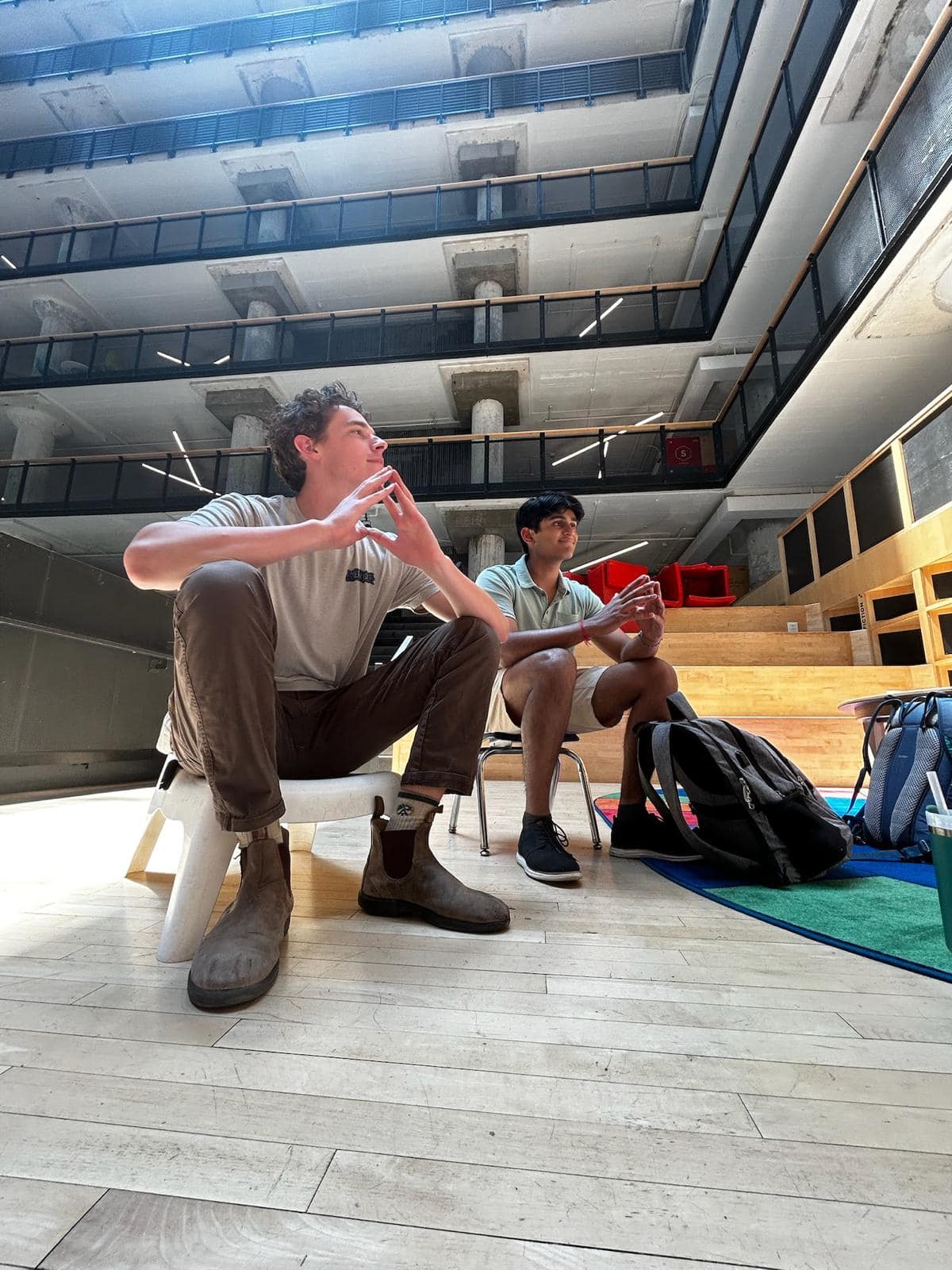
Samarth, right, and a teammate meet with a community stakeholder about the team’s plans for the Street Fair program.
On the data side, Samarth built StreetStat.
“I had never built software end to end before, so I learned as I went,” he said.
The platform pulls from state crash data, city infrastructure records, and road ownership information. Search an address, and alongside the crashes you can see what was or wasn’t there to help people cross safely.
StreetStat updates itself daily and is open source. The team has handed it off to their host, Innovate Memphis, to run long-term.
What drivers don’t see
Samarth learned through the work just how invisible the danger was to drivers.
“In conversation after conversation, people who drove these roads every day defaulted to blaming pedestrians, asking why someone was crossing there at all, without ever questioning why the nearest marked crossing was a quarter mile away,” he said.
He saw the same instinct in himself.
“I honestly was developing a victim-blaming perspective in myself early on, but I watched as the data revealed that the issue was a result of reasons beyond individuals,” he said. “As we presented our findings and data platform to drivers and other community members, they were also surprised to hear about just how dangerous the design of Memphis is for pedestrians.”
From civic tech to startups
Samarth wants a career in entrepreneurship and startup investing, and StreetStat was the entrepreneurial journey he’d hoped for this summer.
“Being able to develop a civic-tech tool, validate it, and get it out to users for pilot testing was a great experience for what this might look like with another product in the future,” he said.
For Memphis advocates, the payoff is practical. Instead of arguing about whether someone should have been crossing at a particular spot, they can point to what was or wasn’t there to help people cross safely.
“Better data makes better advocacy,” Samarth said, “and better advocacy makes safer streets.”