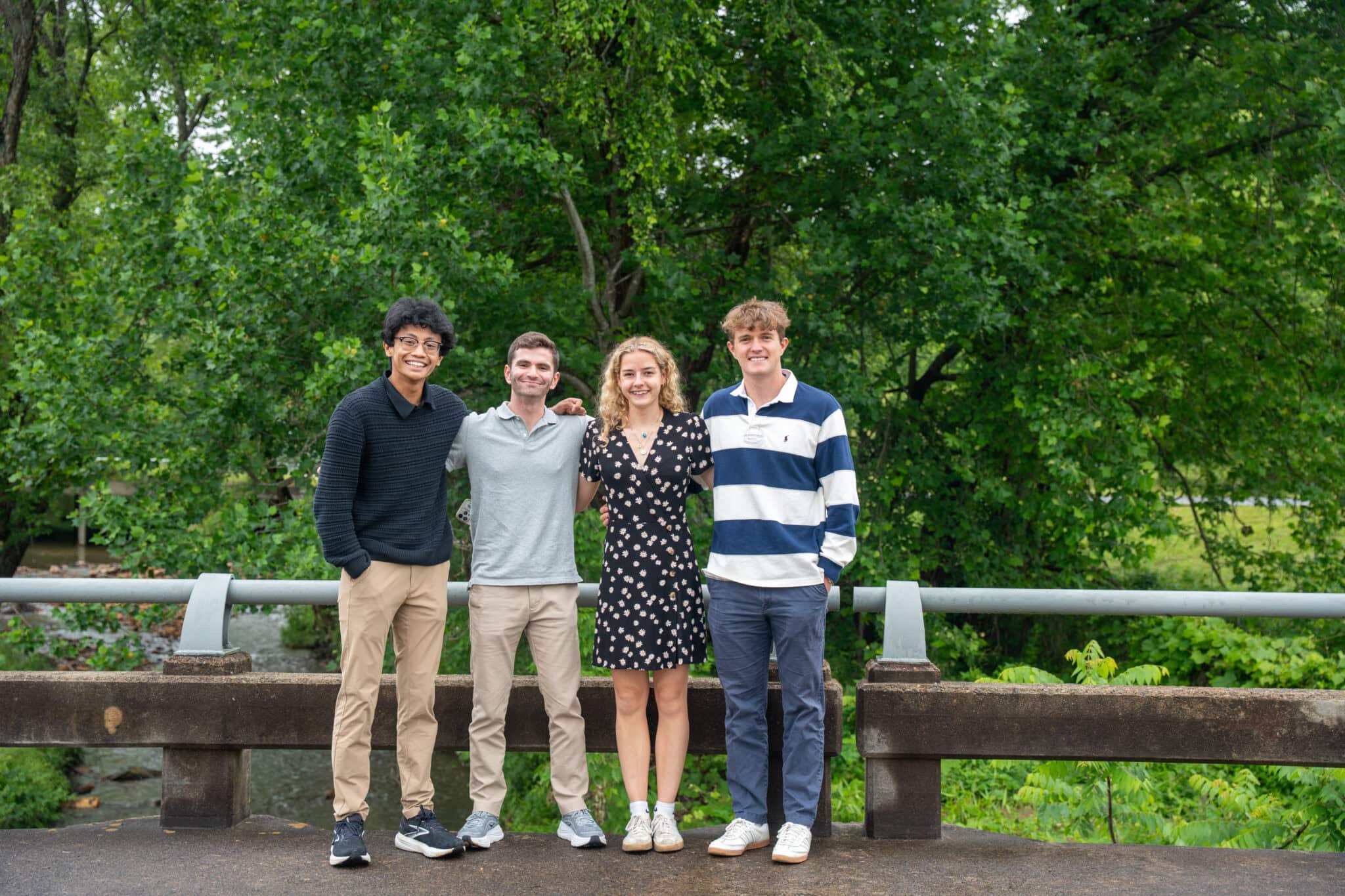
Through the Civic Collaboration program, Morehead-Cain Scholars helped forge a path for the Town of Black Mountain post-Hurricane Helene with emergency response and resiliency assessment.
In a recent SmartBrief article, Morehead-Cain President Chris Bradford makes the case that leadership development is philanthropy’s most powerful investment, especially as AI and automation reshape the future of work.
Bradford argues that leadership functions as civic infrastructure, built through real-world experience rather than credentials alone. He writes that as technology transforms industries and career pathways, the qualities that will matter most are judgment, critical thinking, ethical reasoning, and the ability to lead through uncertainty—capabilities developed through experience, not solely through academic study.
“We develop these capabilities—judgment, responsibility, comfort with ambiguity, and the ability to work across differences—through experience rather than academic study alone.”
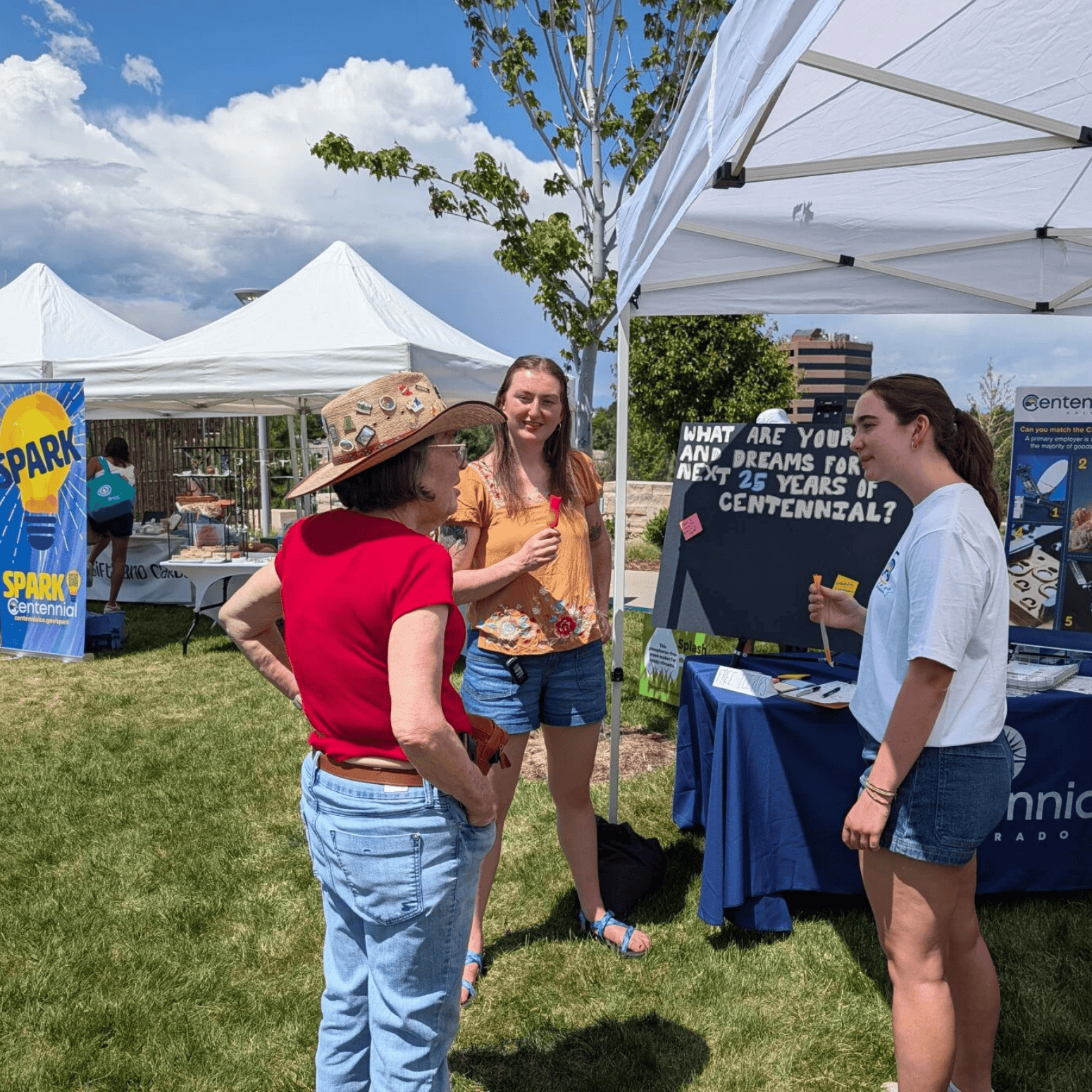
At Morehead-Cain, that philosophy is embedded in the Program’s design. Scholars participate in experiences like Civic Collaboration, where they work alongside community leaders on real challenges, from hurricane recovery in Western North Carolina to housing access in San Diego. These opportunities place students in situations where outcomes are uncertain, tradeoffs are real, and progress depends on working across perspectives.
“As artificial intelligence and automation reshape industries and change early-career professional pathways, critical thinking, ethical reasoning, and judgment under uncertainty become durable advantages,” he said.